October 14, 2026
In the evolving landscape of office environments, selecting the right furniture is a reflection of an organization's values and operational dynamics. Office furniture goes beyond mere utility; it embodies the ethos and strategic directives of the company. Minimalist and collaborative office designs represent two contrasting philosophies that cater to different organizational needs. Understanding these nuances is vital for making informed decisions that nurture productivity and employee satisfaction. This article delves into the respective merits of minimalist and collaborative office furniture, helping organizations find their perfect fit.
Understanding Minimalist Office Furniture
Aesthetic Appeal
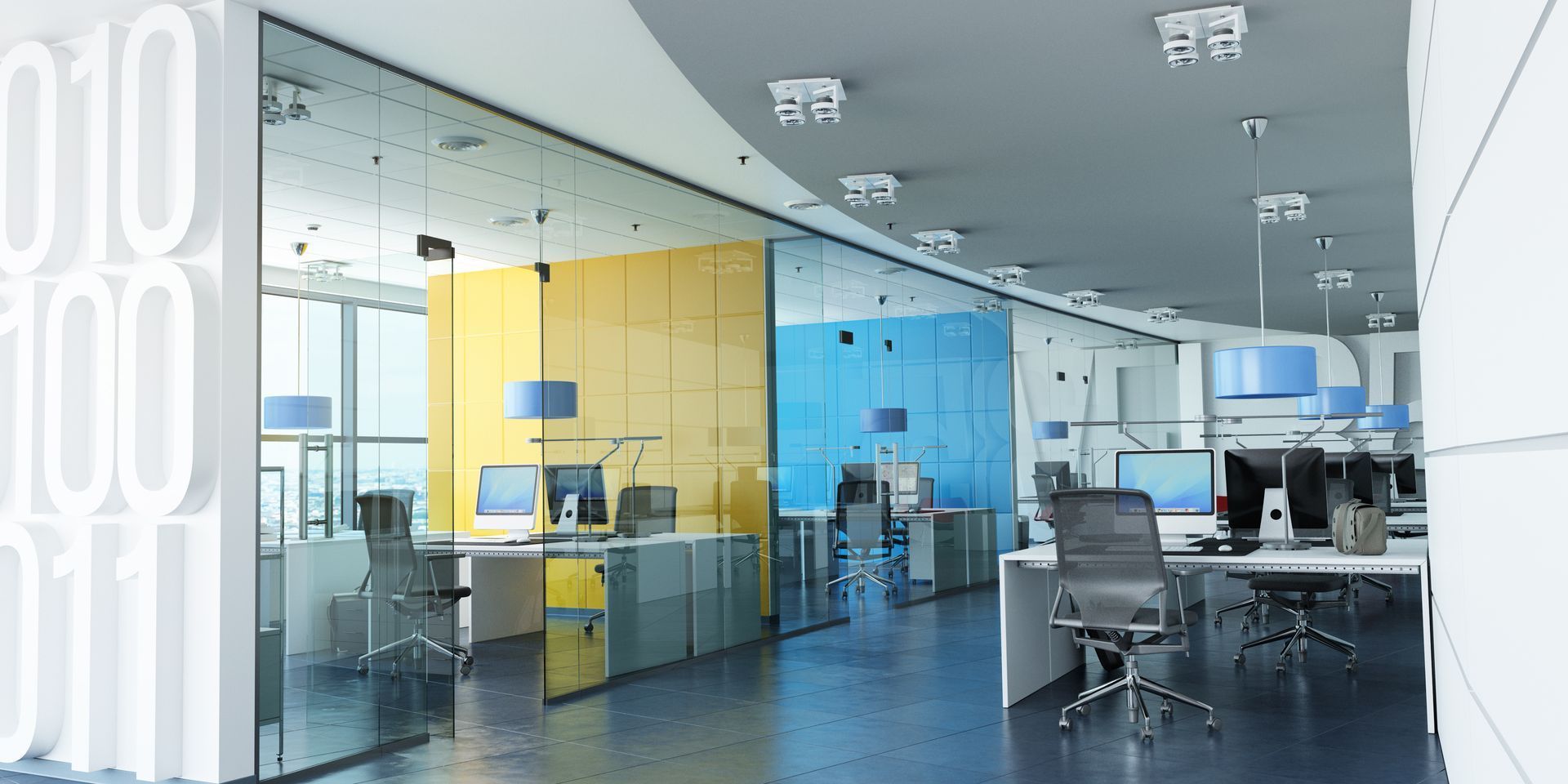
The minimalist approach in office furniture is characterized by its emphasis on simplicity and clean lines. By choosing sleek designs and neutral color palettes, minimalist furniture creates a sense of calm and order in the workspace. This aesthetic not only enhances visual appeal but also reduces visual clutter, which can be distracting. The harmony and balance inherent in minimalist design can promote focus and efficiency among employees. Hence, organizations seeking a polished and organized environment often gravitate toward minimalist furniture.
Functional Simplicity
Minimalist furniture prioritizes functionality, emphasizing essential features without extraneous design elements. This contributes to a more systematic workflow by ensuring that furniture meets the fundamental needs of users. Desks, chairs, and storage solutions are designed to be versatile and adaptable, easing transitions between different tasks. The simplicity of these designs minimizes distractions and aides in maintaining a clutter-free workspace. This intentional design strategy aligns with a growing trend toward ergonomic solutions among U.S. offices, as reported by Statista, where demand has surged by 35% over the past five years.
Psychological Impact
The minimalist design philosophy can positively influence the psychological state and productivity levels of employees. Environments filled with uncluttered and straightforward furniture can enhance mental clarity and reduce stress. There's also evidence suggesting that such spaces facilitate better focus and task completion rates. By fostering an environment of simplicity and order, organizations may see improvements in overall employee well-being. Thus, minimalist office furniture can be a key to unlocking higher productivity and a more satisfying workplace experience.
Space Optimization
One of the significant advantages of minimalist furniture is its capacity to optimize available space effectively. Streamlined designs allow for better movement and space utilization, crucial in smaller or open-plan offices. Minimalist furniture can transform a cramped office into a spacious, open environment without the need for structural changes. This aspect is particularly appealing to organizations looking to maximize their physical space efficiently, ensuring every square foot is functional. As a result, employees can enjoy a more comfortable and productive work atmosphere.
Material and Design Choices
The materials and design choices in minimalist furniture often emphasize durability and simplicity. Common materials include metals like steel and aluminum, as well as woods like oak and walnut, offering a blend of sturdiness and elegance. These materials support the clean lines and basic forms that define minimalist aesthetics. Designers focus on enhancing functionality while maintaining a stylish and refined look. By prioritizing high-quality materials and thoughtful design, minimalist furniture serves both aesthetic and practical purposes efficiently.
The Collaborative Workspace Concept
Defining Collaborative Spaces
Collaborative workspaces are designed to foster interaction, teamwork, and innovation among employees. The concept revolves around open layouts and shared spaces, enabling fluid communication and collaboration. Collaborative furniture includes communal tables, dynamic seating arrangements, and multifunctional spaces to accommodate various team activities. These environments break down barriers and promote knowledge sharing, contributing to a culture of inclusion and creativity. In essence, collaborative workspaces encourage the seamless integration of team efforts and individual contributions.
Encouraging Teamwork through Design
Through strategic furniture arrangements, collaborative spaces encourage spontaneous discussions and brainstorming sessions. Shared tables, easily movable seating, and open areas invite group work and interaction without formal barriers. This setup is ideal for fast-paced environments where quick idea exchanges are crucial for innovation. Team members benefit from enhanced communication channels, leading to efficient problem-solving and cohesive project development. By prioritizing collaboration through furniture design, companies promote a culture of teamwork and collective success.
Flexible Furniture Options
The success of a collaborative workspace often hinges on the flexibility of its furniture. Modular pieces like movable desks and reconfigurable seating allow for easy rearrangement to suit different activities. This flexibility supports dynamic work styles and caters to diverse tasks, from individual focus work to large group meetings. Such adaptability ensures that the office setup can evolve with changing needs and team dynamics. Consequently, businesses can maintain agility and responsiveness, facilitating growth and innovation in an ever-changing work environment.
Balancing Privacy and Openness
While collaboration is key, there remains a need for balance with privacy in office environments. Effective collaborative spaces integrate design elements that provide personal privacy when needed without sacrificing openness. Acoustic panels, privacy screens, and personalized zones within larger work areas help maintain this balance. These features ensure employees have spaces for focused work and confidentiality when required, while still promoting openness and integration. Therefore, a well-designed collaborative office should cater to both communal activities and individual needs.
Technology Integration
In modern collaborative offices, technology is a pivotal component supporting daily operations. Furniture that seamlessly integrates technological tools like charging stations, projectors, and video conferencing equipment enhances functionality. Such integration facilitates connectivity and efficiency, critical in globally connected work environments. Well-designed collaborative furniture supports technology access and usage, ensuring all logistical needs are met. Thus, integrated tech-ready furniture becomes a staple for successful collaborative spaces.
Choosing Between Minimalist and Collaborative Designs
Assessing Company Culture
The decision between minimalist and collaborative furniture often begins with an evaluation of company culture. Organizations with hierarchical structures and roles that demand focus may align more naturally with minimalist designs. Alternatively, those greatly benefiting from innovation and cross-functional teamwork might find collaborative setups more advantageous. Understanding organizational values, workflow, and interactions is crucial in determining the most suitable environment. Ensuring alignment with cultural identity facilitates consistency in employee experience and organizational aims.
Matching Work Style and Furniture
An effective office design aligns with the working styles of its users, be they individual or team-focused. Minimalist settings suit environments needing focused, uninterrupted work, while collaborative spaces are ideal for interaction-centered tasks. It's essential to assess the predominant work style within an organization to tailor furniture choices accordingly. Consideration of employee preferences, comfort, and productivity requirements poses significant influence on the ultimate furniture decisions. Thus, a balanced approach ensures that the office design supports varied working methods across individuals and teams.
Cost Considerations
Budget constraints undoubtedly influence decisions about office furniture, impacting whether to choose minimalist or collaborative options. While minimalist designs can incur lower costs due to their simplicity, high-quality collaborative pieces with tech features may demand higher investments. Evaluating the long-term value and durability of furniture is essential in weighing initial and maintenance costs. Companies must assess the financial implications while ensuring that chosen furniture meets their strategic needs. Ultimately, balancing cost with utility allows for an investment that yields favorable returns unique to business requirements.
Choosing between minimalist and collaborative office furniture requires a deep understanding of organizational culture, work styles, and future needs. Minimalist designs offer simplicity, psychological benefits, and space optimization, while collaborative designs encourage interaction and innovation. Aligning furniture choices with a company's ethos and practical requirements ensures the office environment complements business goals. Ultimately, organizations should carefully evaluate their unique needs, embracing designs that directly contribute to productivity and employee contentment. Making informed decisions in office furniture choices supports ongoing organizational success and workplace satisfaction, concluding with a call to action for thoughtful evaluation. According to Statista, demand for ergonomically designed cubicles and office furniture in the U.S. has increased by 35% over the past five years. Be sure to reach out to Vision Office Interiors Inc today to learn more about our professional cubicle workstations!